

Kids & Teens
Helping Kids and Teens Feel Calmer, More Focused, and More Confident
Growing up today comes with constant demands. Academic pressure, social stress, digital distractions, attention difficulties, and sports injuries can all affect a young person’s confidence, learning, sleep, and emotional well-being.
Brain Tune offers a gentle, drug-free approach that may support healthier brain function, helping kids and teens feel more balanced at home, in school, in sports, and throughout everyday life.
Safe | Drug-Free | Non-Invasive | No Talking Required | Personalized Care

Does This Sound Familiar?
Maybe you've noticed...
Homework takes twice as long as it should
They understand the material but struggle to finish it or turn it in on time
The upcoming test leads to anxiety and tears
Their emotions seem bigger than the situation
They’re addicted to their phone or video game
Sleep is disrupted by racing thoughts
They're always feeling overwhelmed
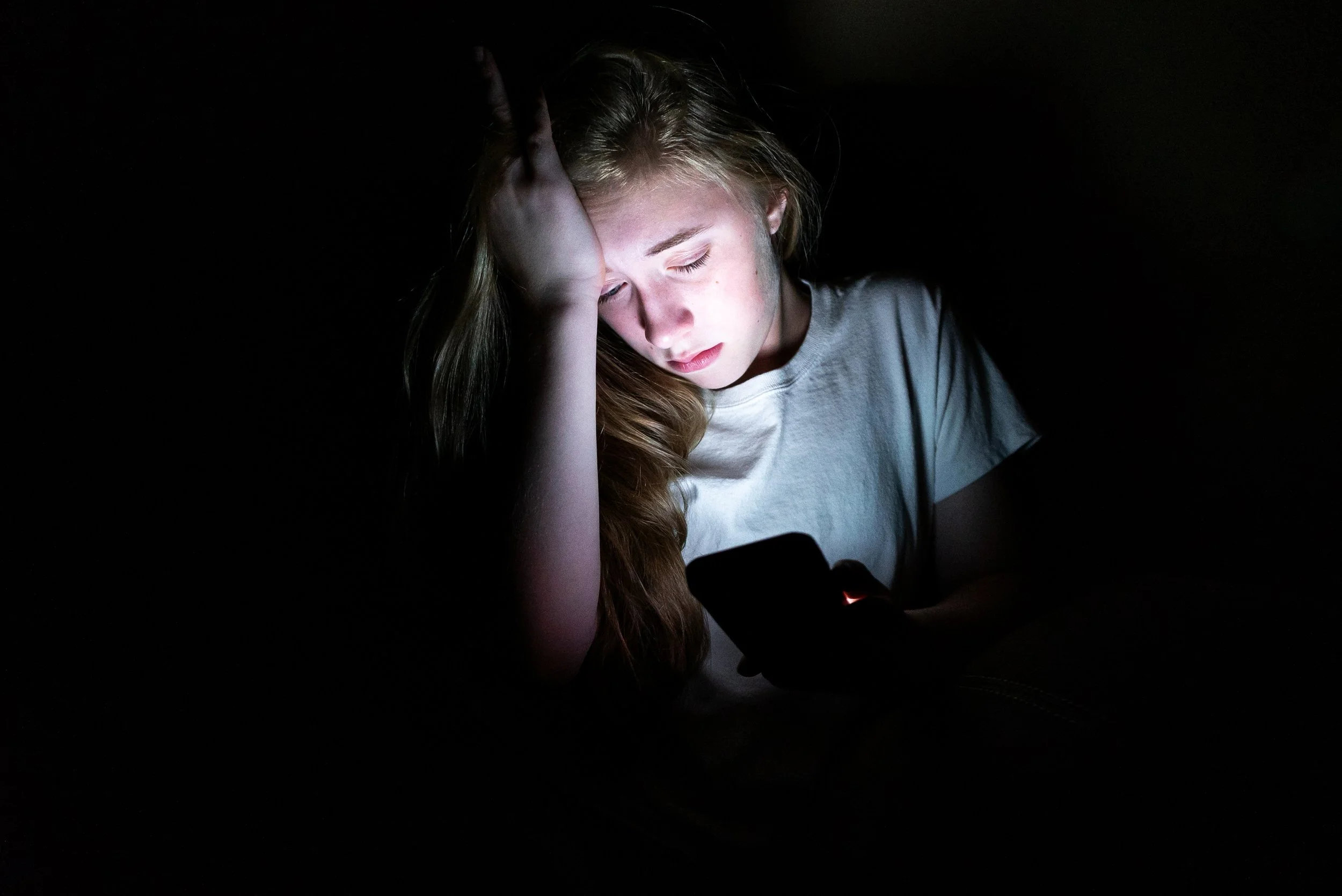
Teens & “The Anxious Generation”
Today's teenagers face a historically unique neurological crisis. In his groundbreaking work The Anxious Generation, social psychologist Jonathan Haidt outlines how the rapid transition from a "play-based childhood" to a "phone-based childhood" has radically rewired the teenage brain. Constant social media notifications, algorithm-driven dopamine loops, and the pressure of online perfection have left an entire generation's nervous systems in a state of chronic hyper-arousal.
This digital overload directly impacts the prefrontal cortex—the area of the brain responsible for impulse control, focus, and emotional regulation. For teens caught in this trap, Microcurrent Neurofeedback offers a biological circuit breaker. By interrupting the frantic neural patterns caused by digital saturation, the therapy helps lower anxiety levels, improve sleep quality, and restore the emotional resilience needed to navigate both social media and the demands of the school year.
How Brain Tune May Help
Anxiety, Excessive Worry, and Emotional Regulation:
Calms a unregulated “fight-or-flight” autonomic nervous system. Teens that experience panic attacks or kids prone to emotional meltdowns often experience smoother emotional transitions.
Sleep Disruption:
Regulates sleep cycles, allowing kids and teens who struggle with insomnia or nighttime anxiety to fall asleep faster and get deeper rest.
Academic Performance:
Enhances focus, processing speed, working memory, executive functioning, and cognitive endurance.
ADHD & Focus:
Helps calm hyperactive brain states, making it easier for kids to pay attention, sit through class, and organize thoughts without feeling overstimulated.
Personalized, Drug-Free Care
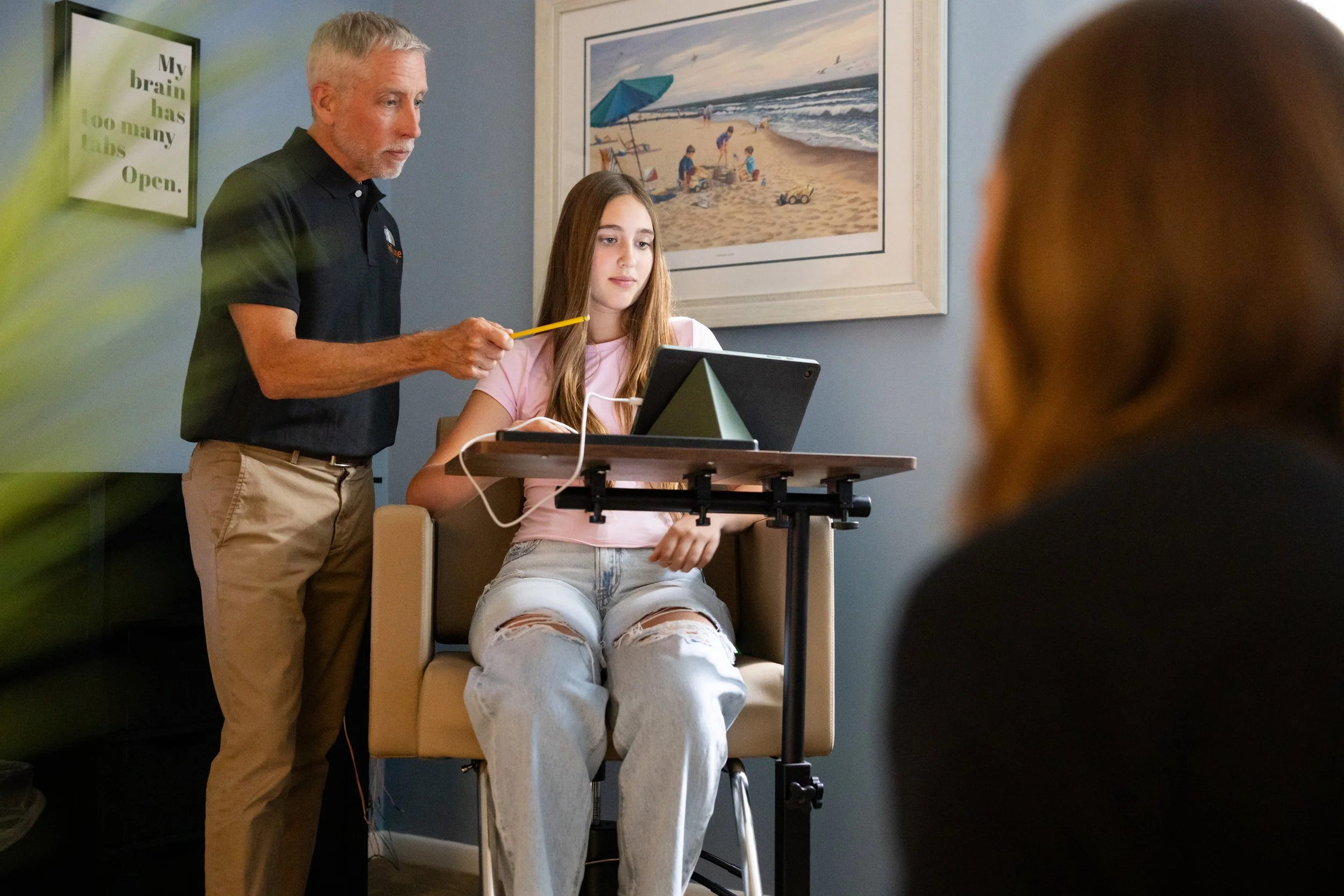
Every child’s brain is different. Brain Tune combines Microcurrent Neurofeedback with Brain Gauge technology to personalize care, better understand cognitive performance, and monitor progress over time.
For families seeking a complementary, non-drug option, our gentle approach supports the brain’s natural ability to restore balance and improve self-regulation—without dimming your child’s personality, creativity, or spark. Whether you are just beginning to explore your options or feel as though you have already tried everything, we are here to help.
Supporting Parents & Caregivers
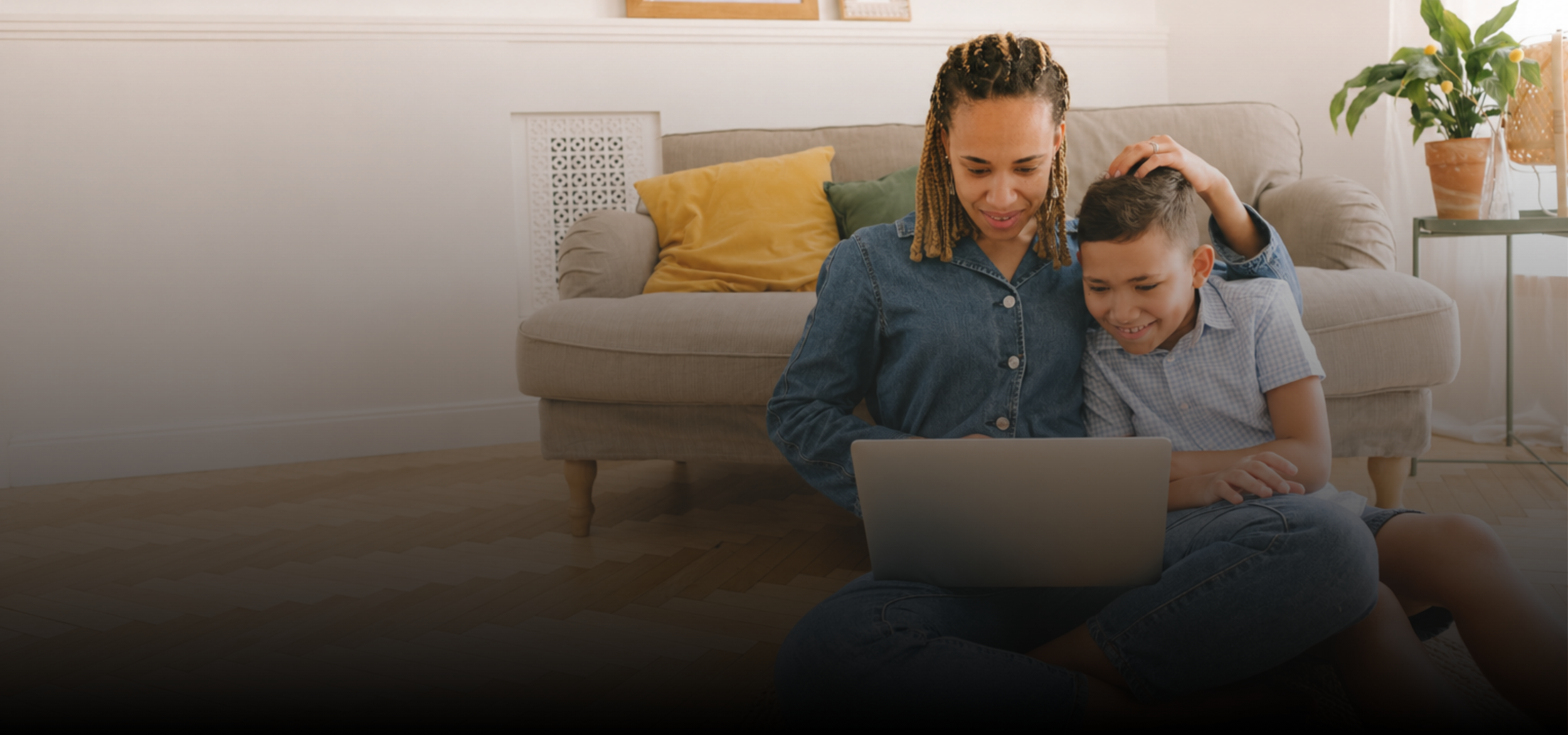
Brain Tune is not just here for your child, we are here for parents and caregivers too. Supporting a calmer, more regulated nervous system may help parents and caregivers respond with greater patience, communicate more thoughtfully, and recover more easily from stressful family moments. When caregivers feel more balanced and resilient, children often feel safer, more supported, and better able to regulate their own emotions.