
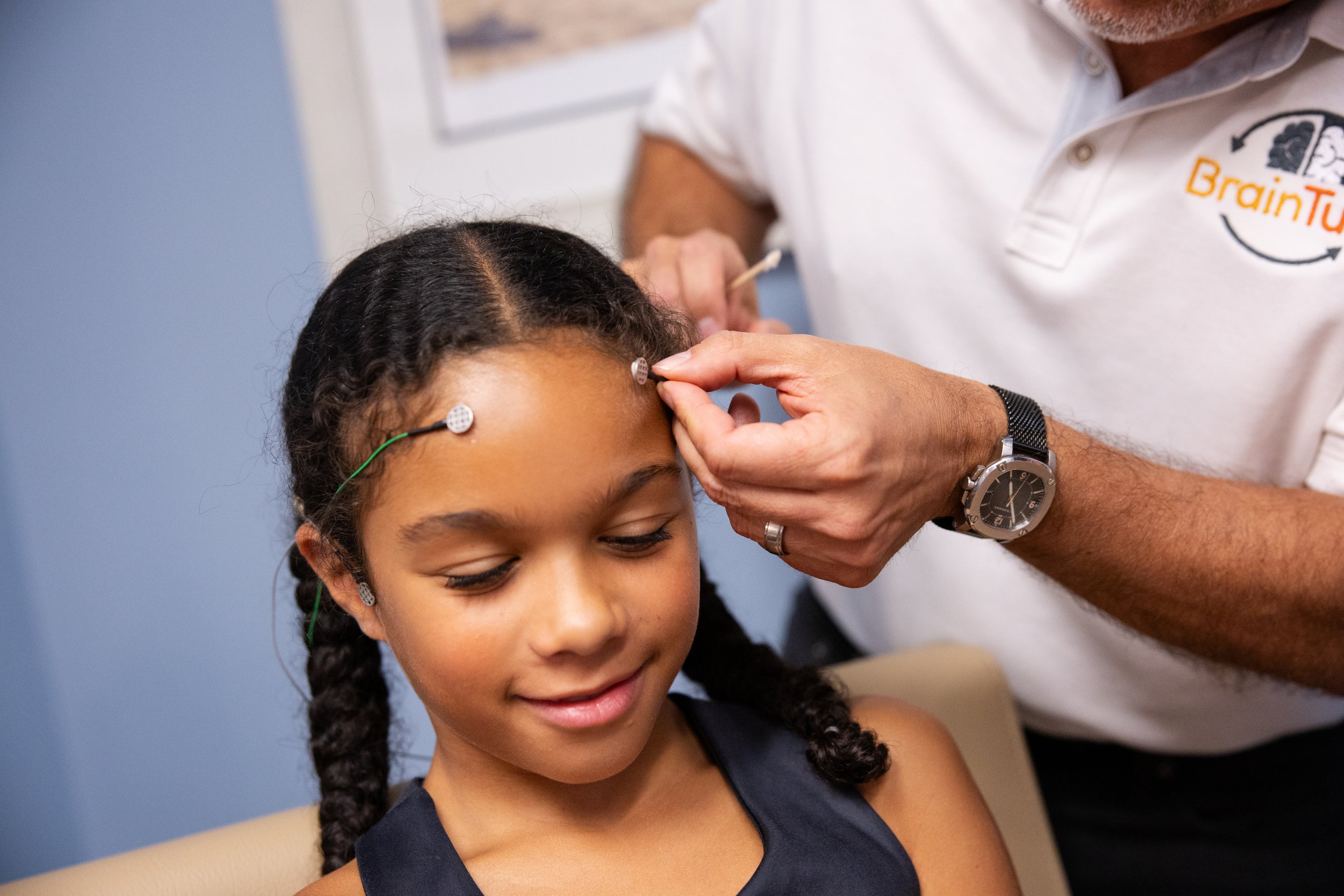
Microcurrent Neurofeedback (MCN) in Columbus, OH
Microcurrent Neurofeedback
Experience a gentle, non-invasive brain support for anxiety, trauma, focus, sleep, and more.
What Is Microcurrent Neurofeedback?
MCN is a breakthrough technology that gently prompts your brain to reset and rebalance itself – otherwise known as neuroplasticity - without medication, effort, or conscious participation. It uses a very low-level signal to encourage the brain to release stuck patterns and return to a healthier state of functioning.
What Is Neuroplasticity?
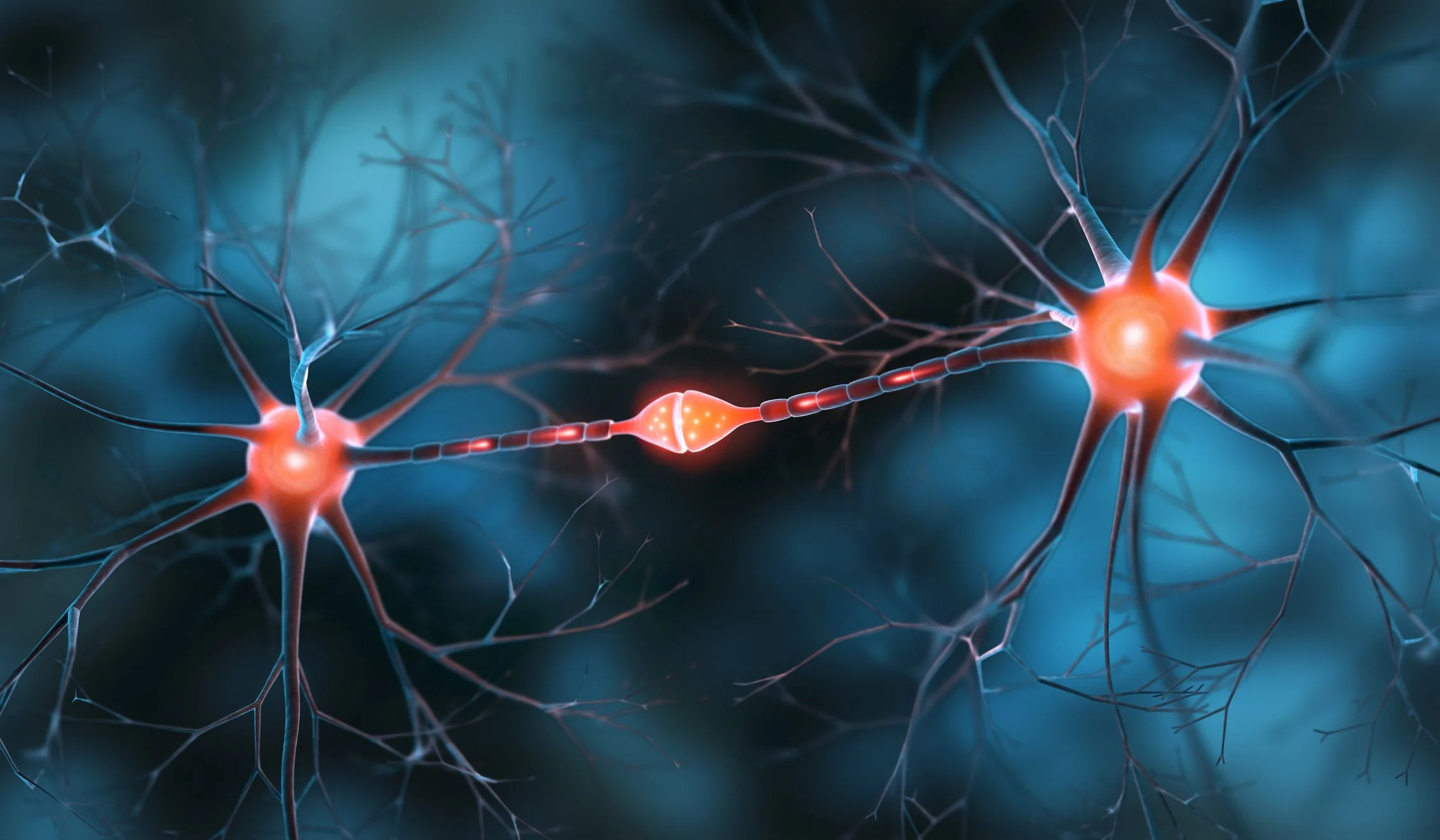
Neuroplasticity is the brain's remarkable ability to adapt, reorganize, and form new neural connections throughout life. This ability allows the central nervous system (the brain and spinal cord) to learn from experience, recover after injury, adapt to change, and develop healthier, more efficient patterns of communication.
Neuroplasticity also influences the autonomic nervous system, which regulates automatic functions such as heart rate, breathing, digestion, sleep, and the body's stress response. Chronic stress, trauma, illness, or injury can contribute to an imbalance between the sympathetic ("fight or flight") and parasympathetic ("rest and restore") branches of the autonomic nervous system. Through neuroplasticity, the brain can develop new patterns that support more balanced nervous system regulation over time.
How Microcurrent Neurofeedback Works
We Deliver
A Gentle Signal
A low-intensity microcurrent (so small that most people don't feel it) is delivered in brief intervals.

Your Brain Responds
The gentle signal encourages your brain to release unhealthy patterns and naturally restore balance.
You Experience
The Benefits
As your brain functions more efficiently, many clients notice improvements in calm, focus, sleep, resilience, and overall well-being.
We
Measure
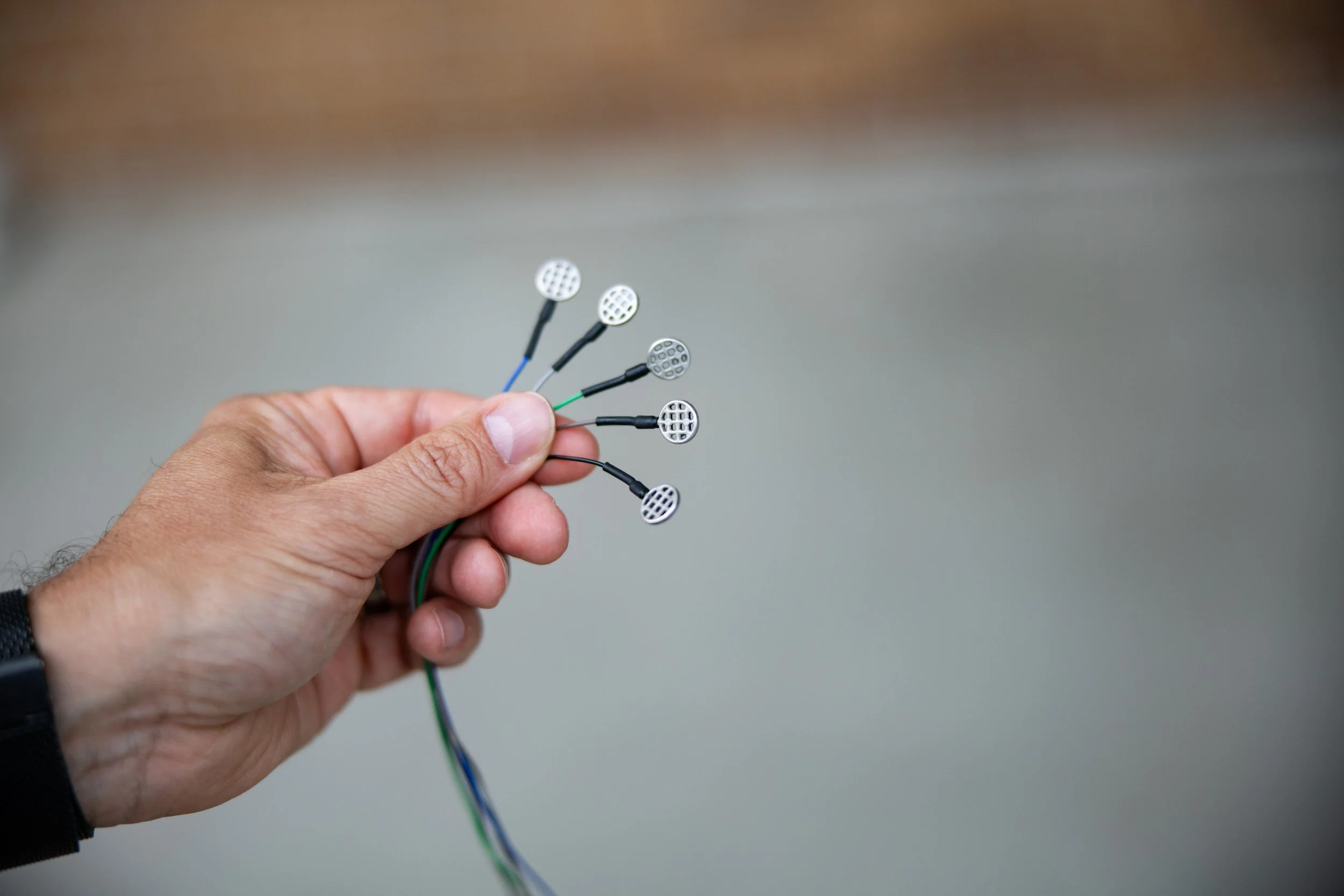
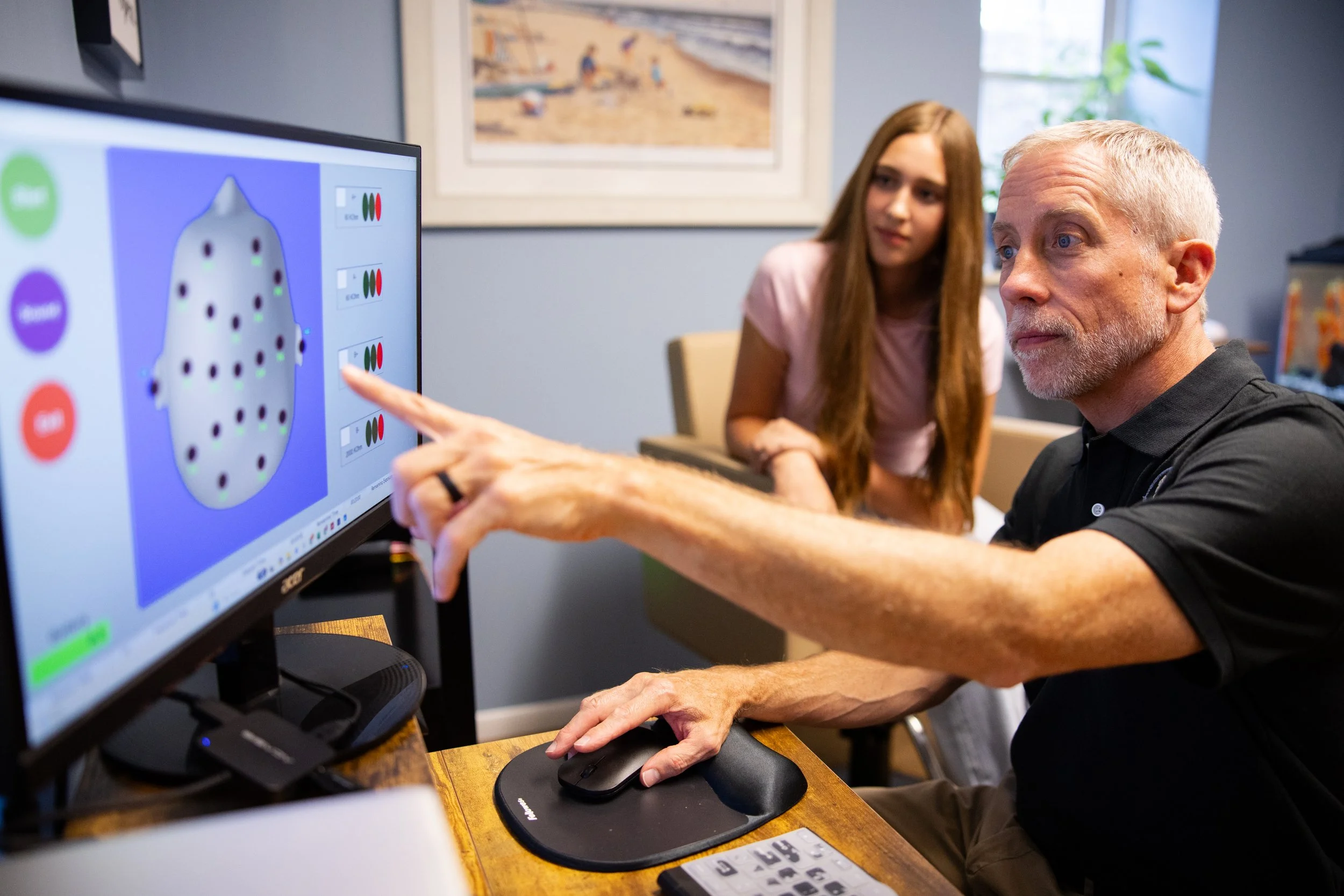
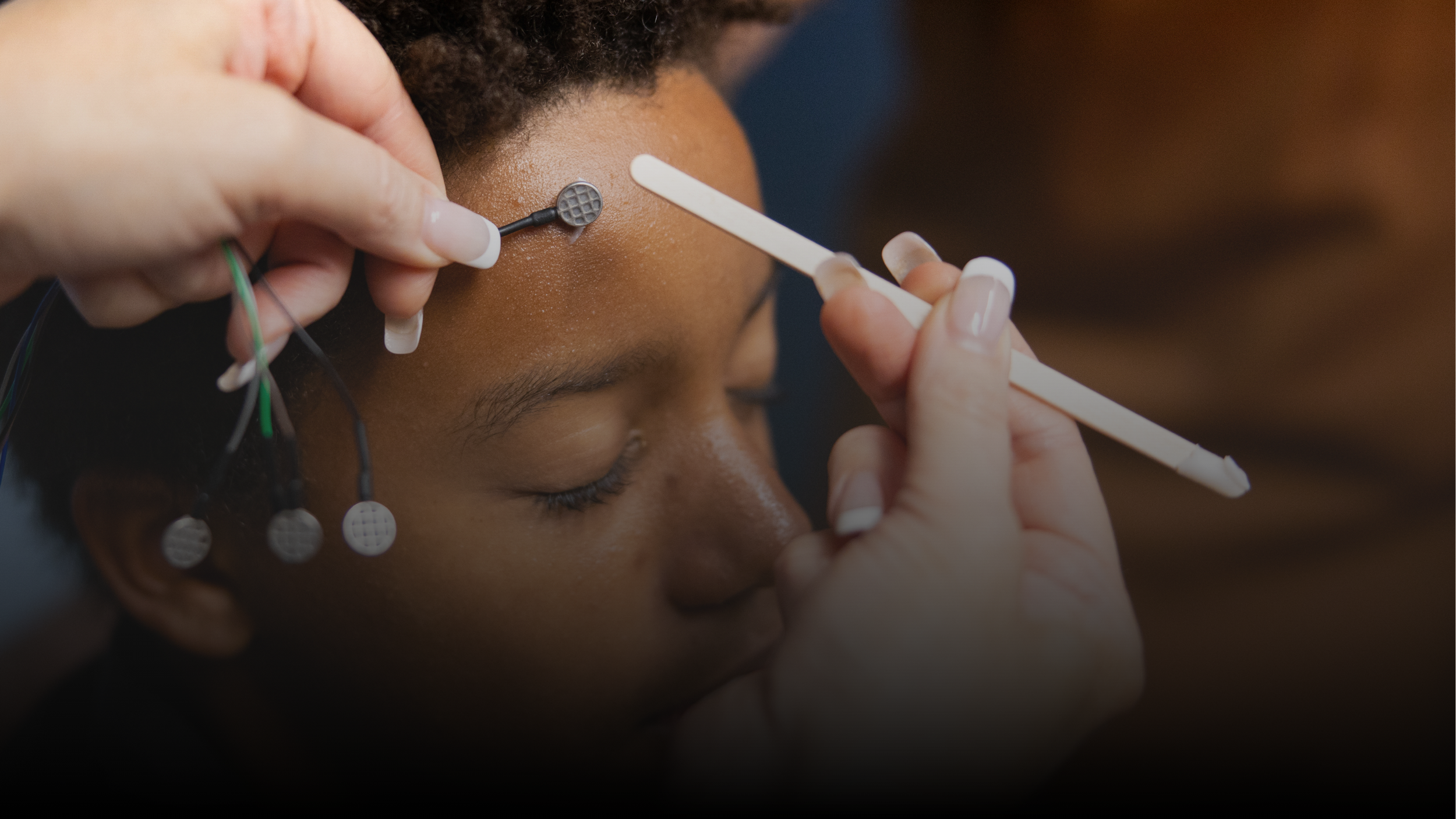
Sensors are gently placed on your face, scalp and neck to monitor your brainwave activity.
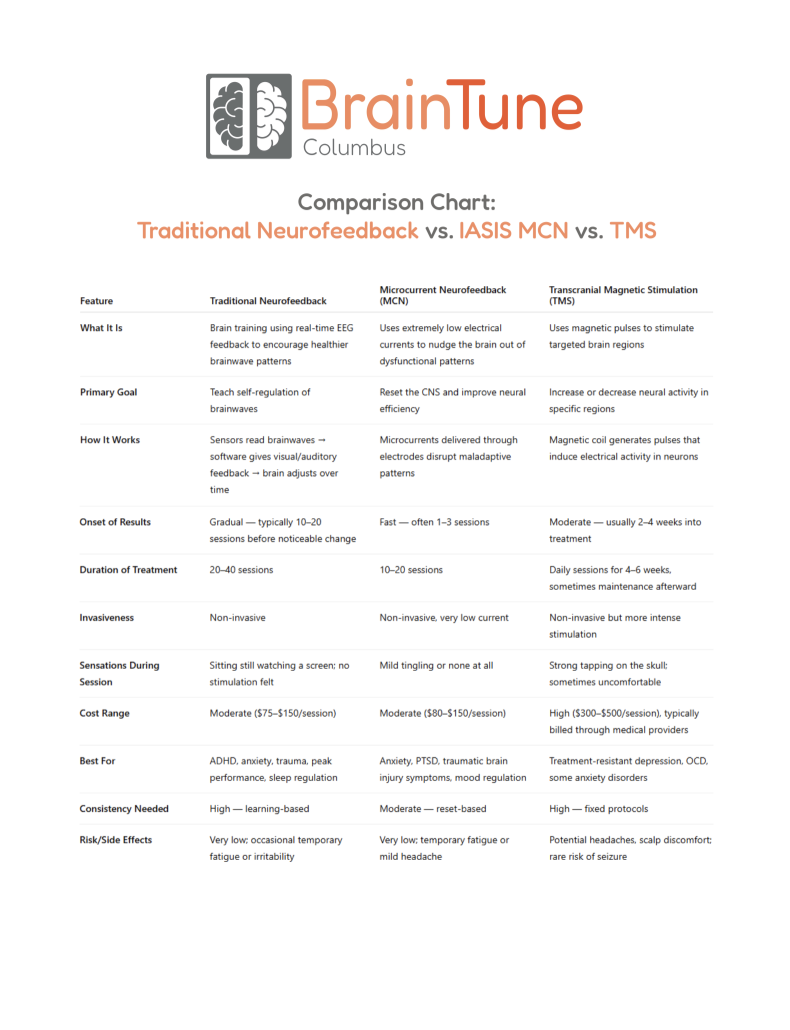
Explore the Comparison of Traditional Neurofeedback vs. IASIS MCN vs. TMS
Why People Choose Microcurrent Neurofeedback
Drug-Free & Non-Invasive
A gentle approach without medication or invasive procedures, and no side effects.

Fast-Acting
Many clients notice changes after just 1-3 sessions.
No Effort Required
Simply sit back and relax. Many clients even nap during treatment.
Personalized
Every treatment plan is designed around your goals, symptoms, and progress.
We May Help with Many Conditions
Since MCN supports the healing of the whole central nervous system, and doesn’t just mask the symptoms, its benefits can extend across many cognitive, behavioral and neurologic conditions, including:
Academic issues
Addiction
ADD and ADHD
Aggression
Athletic Performance
Anger
Anxiety
Autism Spectrum Disorder
Auto Immune Disease and Illness
Asperger’s
Behavioral Disorders
Bipolar
Body Dysmorphia
Brain Fog
Chemical Sensitivities
Chemo Brain Fog
Chronic Fatigue Syndrome
Cluster Headaches
Concussions
Dementia
Depression
Disassociation
Eating Disorders
Epilepsy
Essential Tremors
Executive Function
Fatigue
Fibromyalgia
Focus Issues
Gender Dysphoria
Grief and Grieving
Headaches
Impulsivity
Insomnia
Irritability
Learning Disorders
Lyme Disease
Memory Disorders
Migraines
Mood Disorders
OCD
Pain
Panic Disorders
Parkinson’s
Past Concussions
Peak Performance
Perimenopause
PTSD
Raynaud’s
Sleep Issues
Stroke
Traumatic Brain Injury (TBI)
The Evolution of Neurofeedback: From Scientific Discovery to Brain Tune Optimization
Neurofeedback has evolved over a century from basic EEG observations into one of the most advanced, non-invasive brain optimization technologies available today.
Understanding this journey highlights how modern solutions like Microcurrent Neurofeedback (MCN) offer faster, passive, and more resilient outcomes for brain recovery and peak performance.
The History of Brainwave Training
-
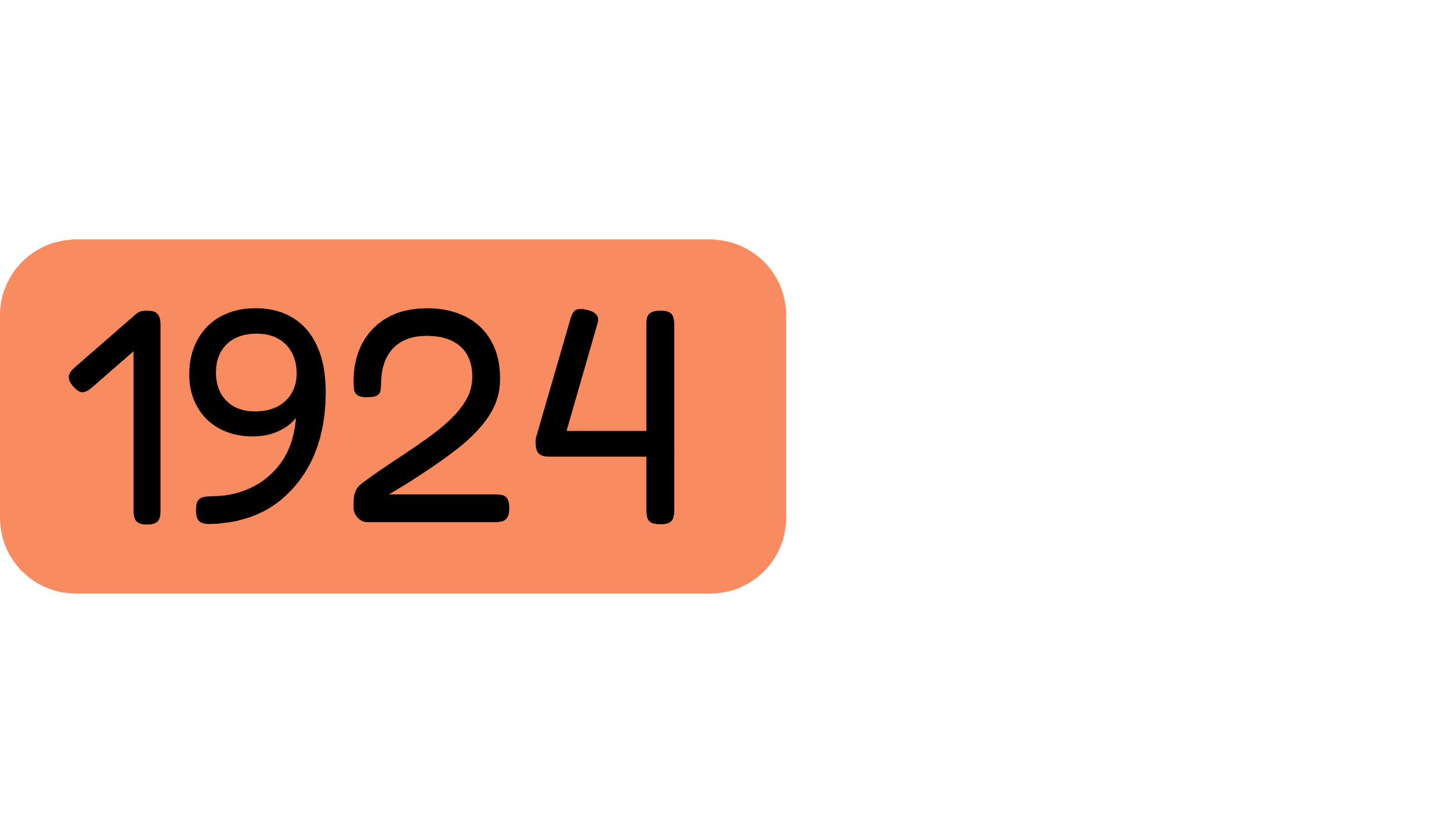
Discovery of Human Brainwaves
German psychiatrist Dr. Hans Berger records the first human Electroencephalogram (EEG), proving that the living brain produces measurable electrical patterns (brainwaves). -
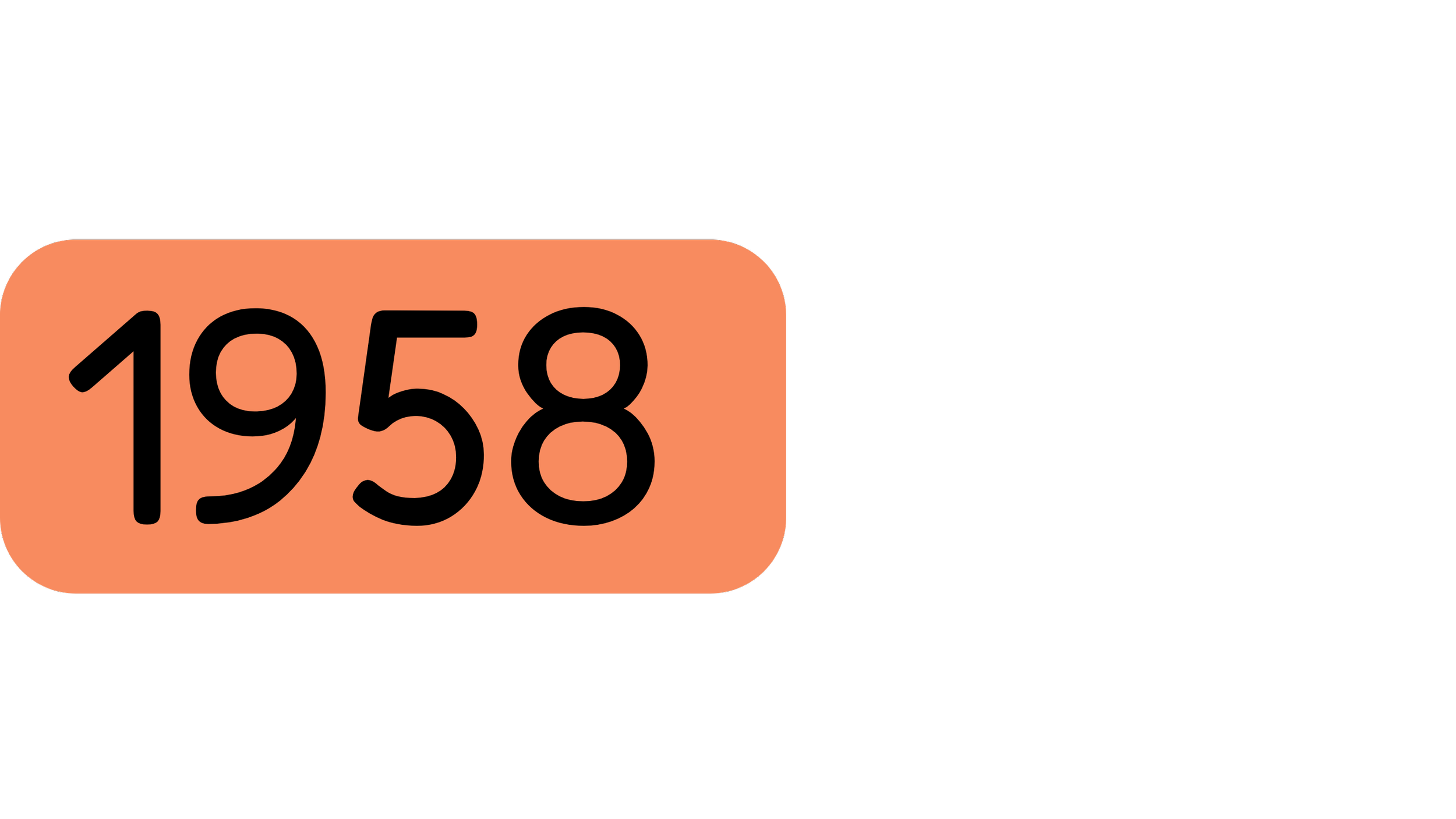
First Human Brainwave Control
Dr. Joe Kamiya at the University of Chicago demonstrates that humans can consciously alter their brainwave frequencies (specifically Alpha waves) through a reward system—marking the birth of neurofeedback. -
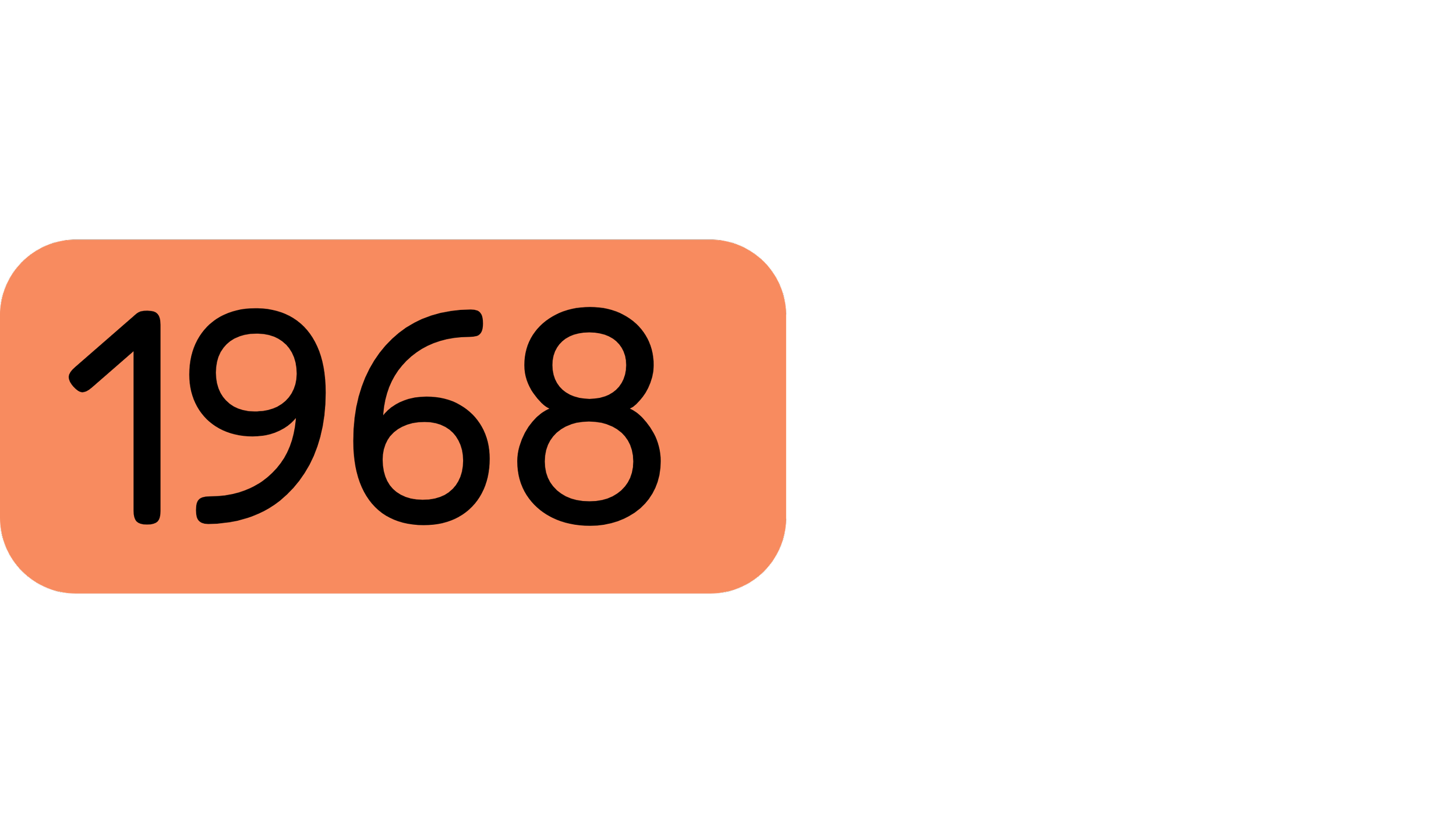
The NASA Breakthrough & Seizure Resistance
At UCLA, Dr. Barry Sterman discovers the Sensorimotor Rhythm (SMR) while conditioning cats. In a subsequent NASA study testing rocket fuel toxicity, cats trained in SMR showed remarkable resistance to seizures. Sterman later applies SMR training to humans, successfully reducing epileptic seizures. -
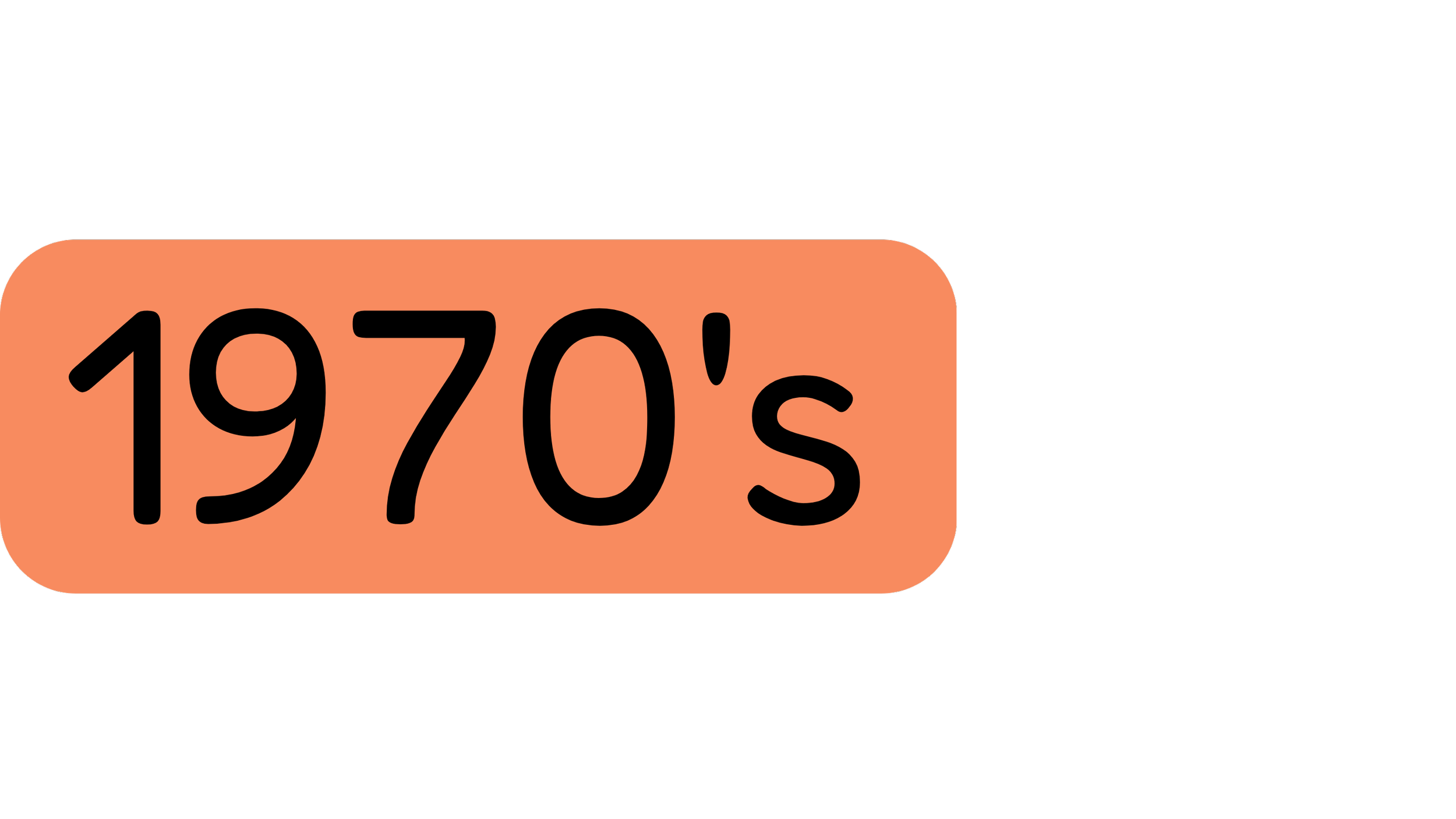
ADHD & Executive Functioning Focus
Dr. Joel Lubar pioneers neurofeedback protocols for children and adults with ADHD, showing that brainwave self-regulation directly improves attention, focus, and impulse control. -
'Traditional' Neurofeedback Expansion
Traditional neurofeedback becomes widely used for peak performance, anxiety, and learning difficulties. These protocols rely on active "operant conditioning," requiring patients to focus on video games or sound cues for 45–60 minutes over 30 to 40+ sessions.
The Revolutionary Shift:
Microcurrent Neurofeedback (MCN)
While traditional neurofeedback laid the scientific foundation, it had clear limitations: it required high conscious effort, took months of active concentration, and was difficult for people suffering from severe brain fog, traumatic brain injury (TBI), or ADHD.
The Introduction of Passive Microcurrent Technology (1990s–Present)
Microcurrent neurofeedback now sits alongside traditional EEG neurofeedback as a distinct branch of brain training — valued for shorter sessions, a passive training model, and applicability to clients (including young children and those recovering from brain injury) who may struggle with active feedback training. As the underlying neuroscience of neuroplasticity has gained mainstream acceptance, the field as a whole has moved from the margins of psychology into growing use across clinical treatment, brain injury recovery, and athletic performance training.
The Pioneer
1990–1992
Dr. Len Ochs revolutionized neurofeedback by introducing Low Energy Neurofeedback (LENS), the precursor to modern Microcurrent Neurofeedback. Rather than asking the brain to consciously work to change its waves, Ochs hypothesized that sending a tiny, imperceptible signal back to the brain could trigger immediate self-regulation.
Commercialization & Refinement
2010
Building upon early low-energy principles, IASIS Technologies was founded. IASIS introduced Microcurrent Neurofeedback (IASIS MCN), refining low-intensity pulse transcranial stimulation protocols into a standardized, highly reproducible clinical system. This helped transition passive neurofeedback into mainstream integrative medical clinics, athletic programs, and VA research centers.
Next-Generation
2026
IASIS Technologies becomes IASIS Neuroregulation Technologies, committed to continuing advancement of the MCN technology and processes.

Experience Next-Generation Brain Optimization
Discover how modern, passive Microcurrent Neurofeedback can reset your nervous system
and unlock your peak mental clarity.
Experience Next-Generation Brain Optimization
Discover how modern, passive Microcurrent Neurofeedback can reset your nervous system
and unlock your peak mental clarity.
Common Questions:
-
Most people don't feel the microcurrent at all. Sessions are gentle and relaxing, and many clients choose to close their eyes, rest, and even nap during treatment.
-
Initial Visit
2 hours, includes consult, brain assessment & first MCN treatment
Follow-Up Sessions
30-45 minutes, quick and convenient
90-second Brain Gauge QuickCheck
MCN treatment - 15 minutes of Brain Training
Comfortable Experience
No talking or participation required. Simply relax while receiving treatment. Many clients nap or enter deep calm.
-
Yes. IASIS Microcurrent Neurofeedback uses an FDA-registered EEG amplifier and is considered a safe, non-invasive approach to supporting healthier brain function. If you have questions about whether it's right for you, we're happy to discuss your individual needs during a consultation. No adverse side effects have been reported out of the 2 million IASIS MCN sessions conducted worldwide.
Source: IASIS Technologies Corporation
-
MCN is appropriate for individuals of all ages and may support a wide range of symptoms and goals. During your consultation, we'll determine whether it's a good fit for your unique situation.
-
Every person responds differently, but many clients report noticing changes within the first few sessions. Your personalized treatment plan and progress will depend on your individual goals and how your brain responds over time.
-
We offer several options depending on your goals and recommended care plan.
Initial Consultation: Free*
Individual Session: $150
12-Session Program: $1,500
20-Session Program: $2,300 (Most Popular)
40-Session Program: $4,000
Veterans & First Responders: $100 per session
We'll discuss the program that's right for you during your consultation, there's no pressure or obligation.
-
At this time, MCN is not covered by insurance, but is HSA and FSA eligible. However, we believe investing in your brain health can have lasting benefits for your quality of life. Flexible payment options are available, and we'd be happy to walk you through pricing during your consultation.
-
No. Microcurrent Neurofeedback is not Electroconvulsive Therapy (ECT), commonly known as shock therapy. It uses an ultra-low signal to gently support your brain's natural ability to restore balance. Most people don't feel the microcurrent during treatment.
Ready to Take the First Step?
Whether you've been searching for answers for years or are simply looking for a different approach, we're here to help.