
Concussion Recovery:
Supporting the Brain Beyond the Injury
A concussion is often described as a "mild" traumatic brain injury (mTBI), but for many people, its effects can be anything but mild. While some individuals recover within a few weeks, others continue to experience symptoms for months or even years. Because most concussions do not appear on standard CT scans or MRIs, many people are told that "everything looks normal" despite continuing to struggle with very real cognitive, physical, and emotional challenges.
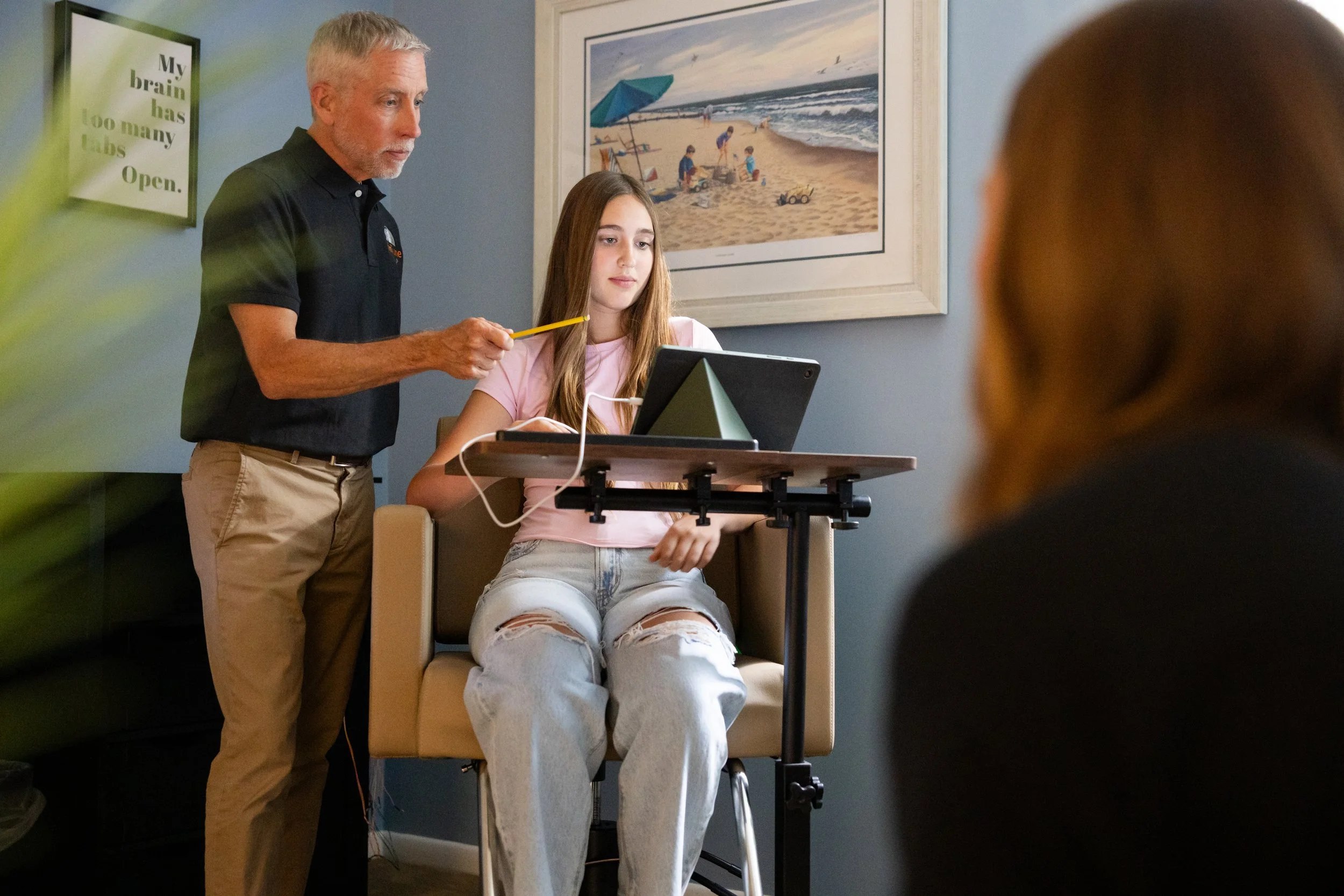
At Brain Tune Columbus, we combine Brain Gauge technology IASIS Microcurrent Neurofeedback to provide an objective way to monitor brain performance while supporting the brain's natural ability to restore balance and recover.


Brain Injuries Manifest Differently Depending on the Stage of Life and the Nature of the Trauma:
Pediatric & Youth (Ages 0–12): Most commonly caused by falls, playground accidents, or abusive head trauma. Developing brains are particularly vulnerable to structural and functional disruption, which can disrupt critical cognitive milestone development.
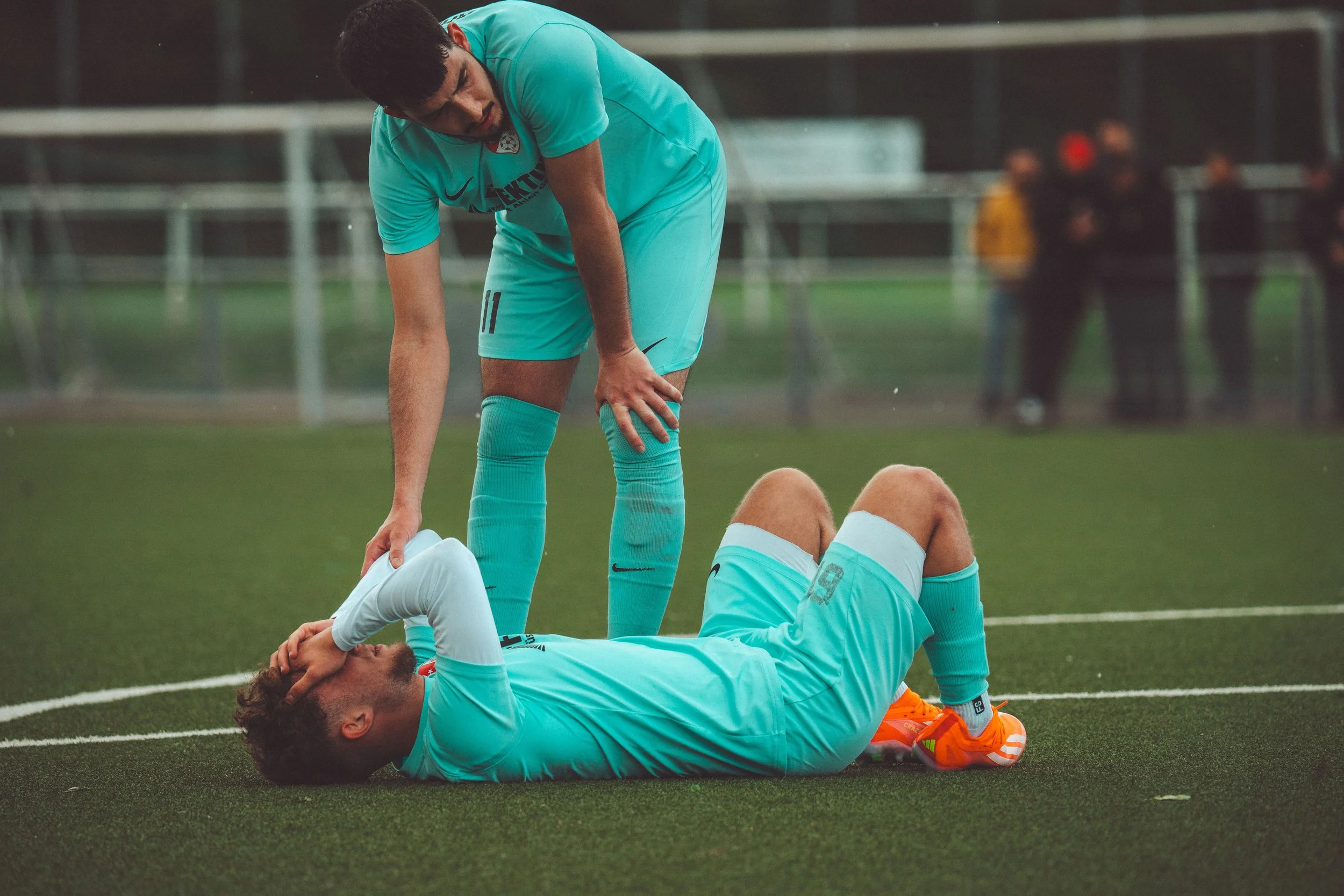
Adolescents & Student-Athletes (Ages 13–21): Driven by high-velocity contact sports, competitive cheerleading, and motor vehicle accidents. Rapid physical growth alongside an underdeveloped prefrontal cortex can prolong recovery times.
Adults & Workplace/Accidental Trauma (Ages 22–64): Frequently resulting from slip-and-falls, industrial injuries, car accidents, and military service.
Domestic & Intimate Partner Violence (IPV): An under-reported public health crisis. Research shows that up to 75% to 90% of domestic violence survivors report experiencing traumatic brain injuries from direct blows, violent shaking, or oxygen deprivation (strangulation). Unlike sports injuries, IPV-related concussions are often repetitive, sustained under severe psychological stress, and severely underdiagnosed.
Older Adults (Ages 65+): Falls account for nearly half of all TBI-related hospitalizations in seniors. Concussion symptoms in older adults are frequently misattributed to normal aging, medication side effects, or early dementia.
Why Concussions Can Be Difficult to Diagnose
One of the greatest frustrations for patients is that conventional imaging often appears normal.
CT and MRI scans evaluate structure, not function. A concussion causes microscopic stretching of nerve fibers (diffuse axonal injury) and alters brain chemistry at a cellular level—changes that do not appear on standard structural imaging.
This gap in conventional diagnostics often leaves patients feeling dismissed by the healthcare system, leading to delayed treatment and prolonged suffering.
Diagnosis is therefore based primarily on:
The history of the injury
Reported symptoms
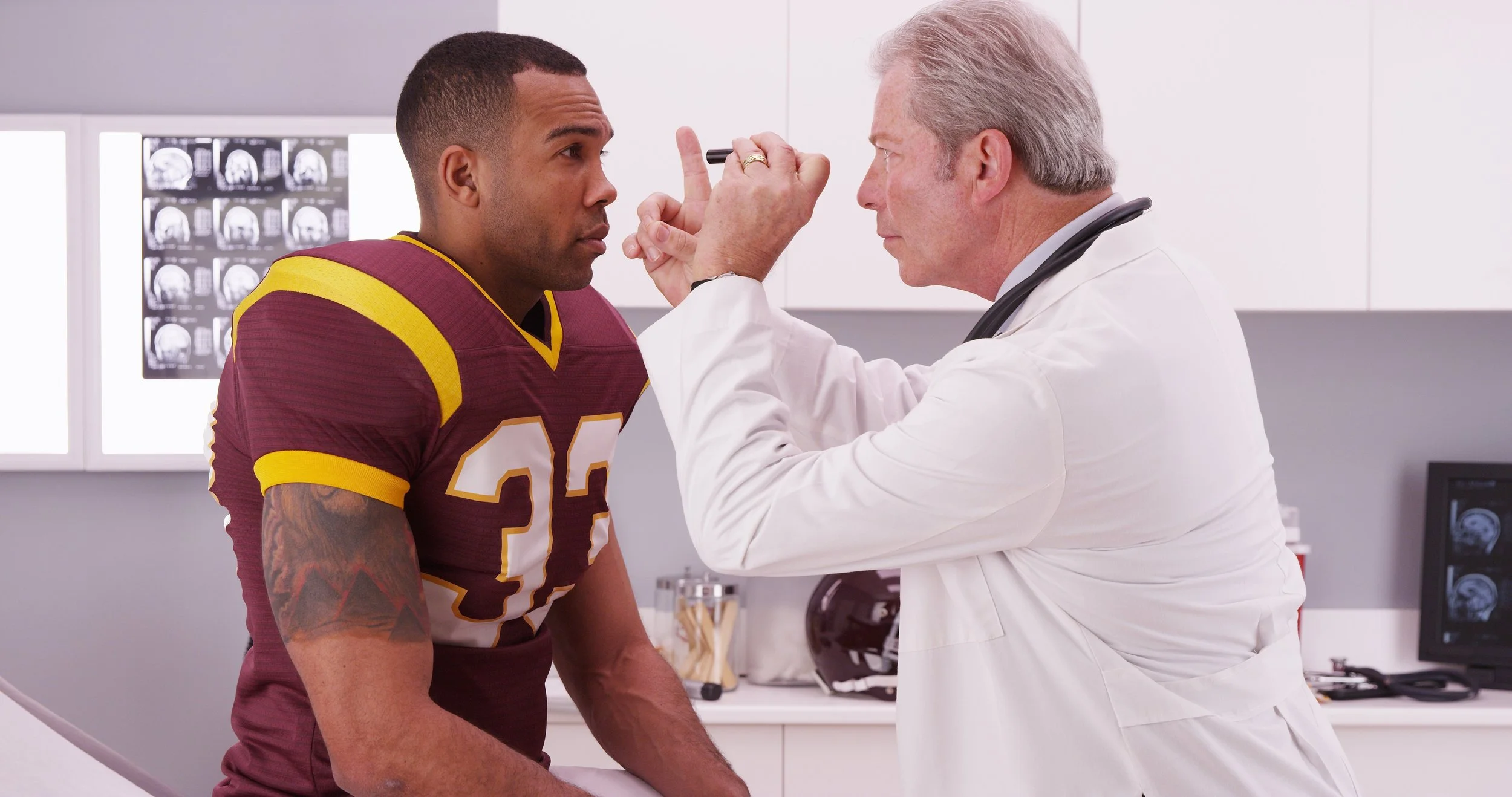
Neurological examination
Cognitive and balance assessments
Ongoing observation over time
Common Symptoms of Concussion
Every concussion is different, and symptoms may appear immediately or develop over the following hours or days.
Physical Symptoms
Headaches
Dizziness
Balance problems
Sensitivity to light or sound
Nausea
Fatigue
Sleep disturbances
Visual changes
Cognitive Symptoms
Brain fog
Difficulty concentrating
Memory problems
Slower thinking
Reduced processing speed
Difficulty multitasking
Trouble finding words
Emotional Symptoms
Anxiety
Irritability
Mood swings
Depression
Increased emotional sensitivity
Reduced stress tolerance

When Symptoms Persist
Some individuals develop persistent post-concussion symptoms that interfere with everyday life.
Long-term challenges may include:
Chronic headaches
Persistent fatigue
Ongoing concentration difficulties
Memory impairment
Sleep disruption
Anxiety or depression
Reduced work or school performance
Difficulty tolerating busy or noisy environments
Slower decision-making
Reduced confidence in daily activities
These symptoms can affect academic success, career performance, relationships, and overall quality of life.
Supporting Recovery with Brain Gauge and Microcurrent Neurofeedback
Recovery involves more than waiting for symptoms to improve. Understanding how the brain is functioning can help guide rehabilitation and monitor progress over time.
Brain Gauge
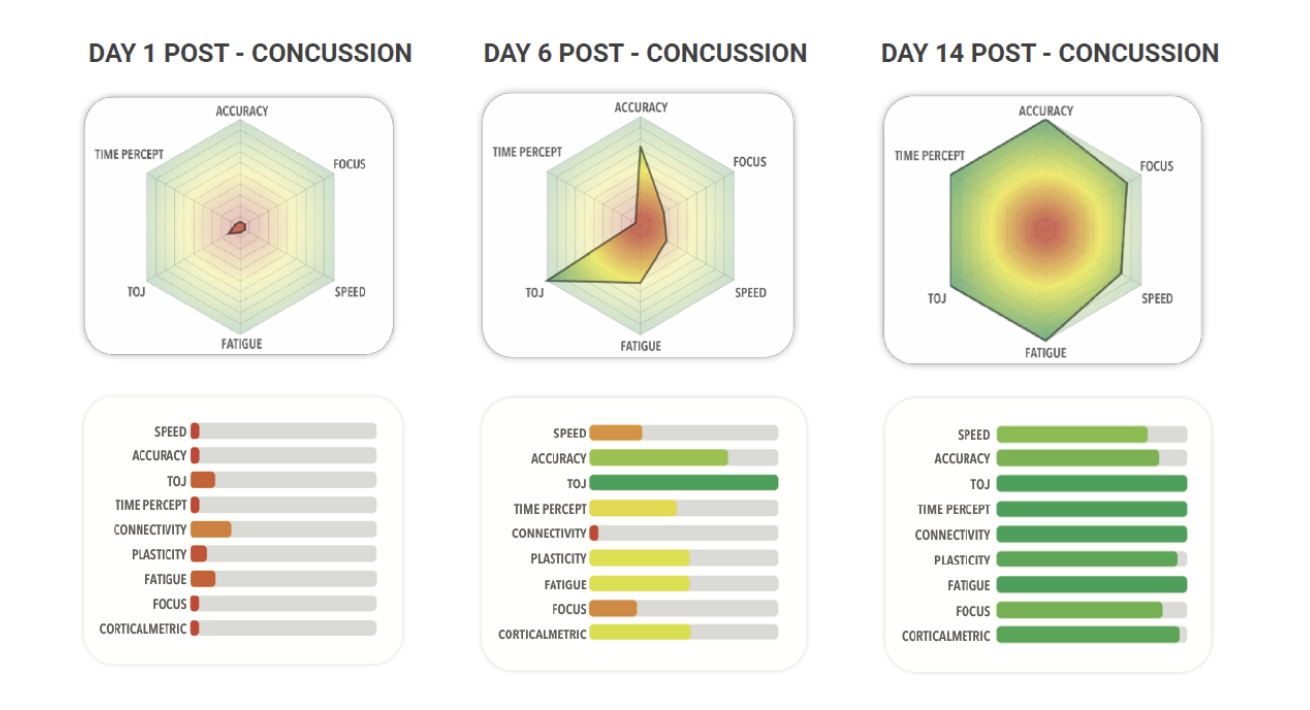
Brain Gauge provides objective measurements of brain performance by assessing areas such as:
Processing speed
Focus and attention
Mental fatigue
Neuroplasticity
Timing and information processing
Overall cortical performance
These measurements can establish a baseline, identify areas of difficulty, and track changes throughout recovery.
Microcurrent Neurofeedback
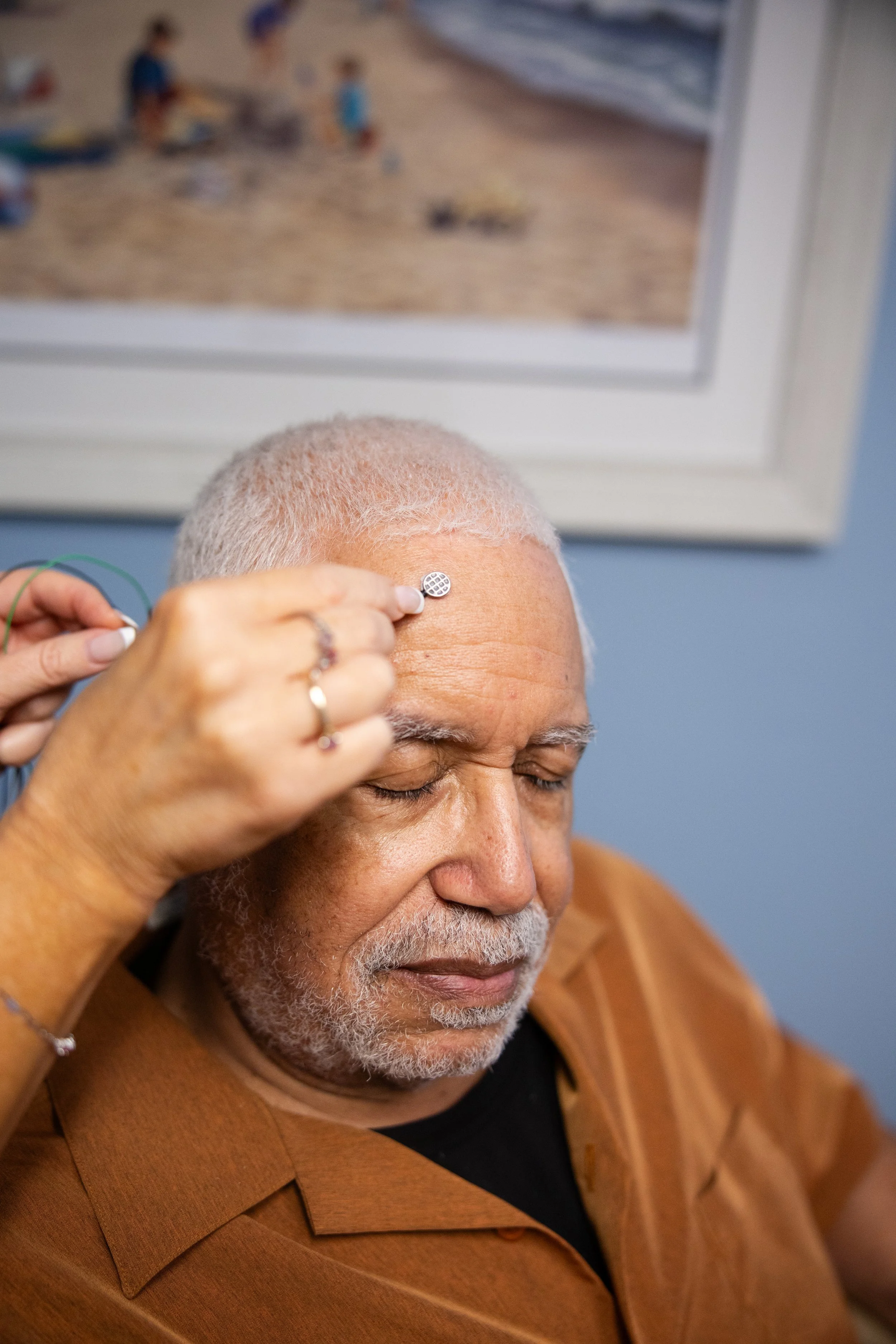
MCN is a gentle, non-invasive approach designed to support the brain's natural self-regulation. By encouraging more balanced nervous system function, many individuals report improvements in:
Mental clarity
Sleep quality
Emotional regulation
Stress resilience
Focus and concentration
Overall cognitive performance
While individual responses vary, many people choose this approach as part of a comprehensive recovery plan developed with their healthcare providers.
Guiding a Safe Return to School, Work, and Play
Navigating return-to-activity protocol requires precision. Moving too quickly risks secondary injury or severe setbacks, while prolonged isolation can lead to anxiety and secondary depression.
Return to School: We use objective processing data to recommend temporary, tailored academic accommodations—such as shortened school days, reduced screen time, or extended test windows—preventing cognitive overload.
Return to Work: MCN helps restore executive function and energy levels, allowing working adults to gradually resume workload without triggering chronic fatigue or migraines.
Return to Play (Sports): Returning to contact sports based on "feeling fine" is dangerous. Brain Gauge offers objective evidence of restored neural connection and reaction time, ensuring an athlete is truly clear to return to the field safely.
Return to Safety & Daily Life (Domestic Violence & Fall Survivors): For survivors of trauma, our passive treatments help calm the hyper-aroused nervous system, alleviating co-occurring PTSD symptoms alongside post-concussive recovery.
Objective information from Brain Gauge may help document changes in brain performance over time, complementing clinical evaluations and symptom reports as individuals progress through recovery.

A Personalized Approach to Brain Recovery
Every concussion is unique, and no two recovery journeys are exactly alike. Whether the injury resulted from sports, a fall, a motor vehicle accident, military service, workplace trauma, or domestic violence, the brain deserves individualized support.
By combining objective brain performance assessments with Microcurrent Neurofeedback, Brain Tune Columbus provides a personalized approach that helps individuals better understand their brain function, monitor recovery over time, and support the brain's natural capacity to restore balance as part of a comprehensive care plan.
What Makes Our Approach Different?
-
Brain Gauge helps measure cognitive performance throughout your recovery, giving you more than just symptom checklists.
-
Every concussion is different. We tailor your program based on your symptoms, goals, and progress, not a one-size-fits-all protocol.
-
Our approach supports your brain's natural healing process without medication or invasive procedures.
-
We help support the brain functions that affect everyday life including focus, sleep, emotional regulation, cognitive endurance, and overall quality of life.
-
Whether you're returning to school, work, sports, military service, or simply trying to feel like yourself again, our goal is to help you move forward with greater confidence.
Our Process
6 Weeks
Brain Gauge Assessment at the beginning*
2 Microcurrent Neurofeedback Sessions per week
Brain Gauge Home Brain Training 20 minutes a day, 5 days a week
Brain Gauge Progress Assessment at 3 weeks
Brain Gauge Progress Assessment at 6 weeks
*Depending on the severity of the concussion, the initial assessment may be delayed until the client can comfortably sustain a 20-minute activity that utilizes screen prompts.
Cost: $1,620: Includes 12 Microcurrent Neurofeedback sessions, 3 Brain Gauge Assessments, and leasing the Brain Gauge Home Unit with a compatible tablet*.
*Leasing cost will be discounted by $40 if the client already owns a compatible computer or tablet.
At the conclusion of 6 weeks, clients will have the option to continue with an appropriate level of care as needed.