
Veterans &
First Responders
Years of serving others can take a toll.
Veterans &
First Responders
Years of serving others can take a toll.
Military service and careers in public safety often require individuals to perform under extraordinary pressure. Repeated exposure to critical incidents, traumatic events, shift work, and physically demanding environments can take a toll on both the brain and nervous system.
Many veterans and first responders also face challenges related to PTSD, anxiety, sleep disruption, concussions, and chronic stress, all of which can affect cognitive performance, emotional well-being, relationships, and overall quality of life.
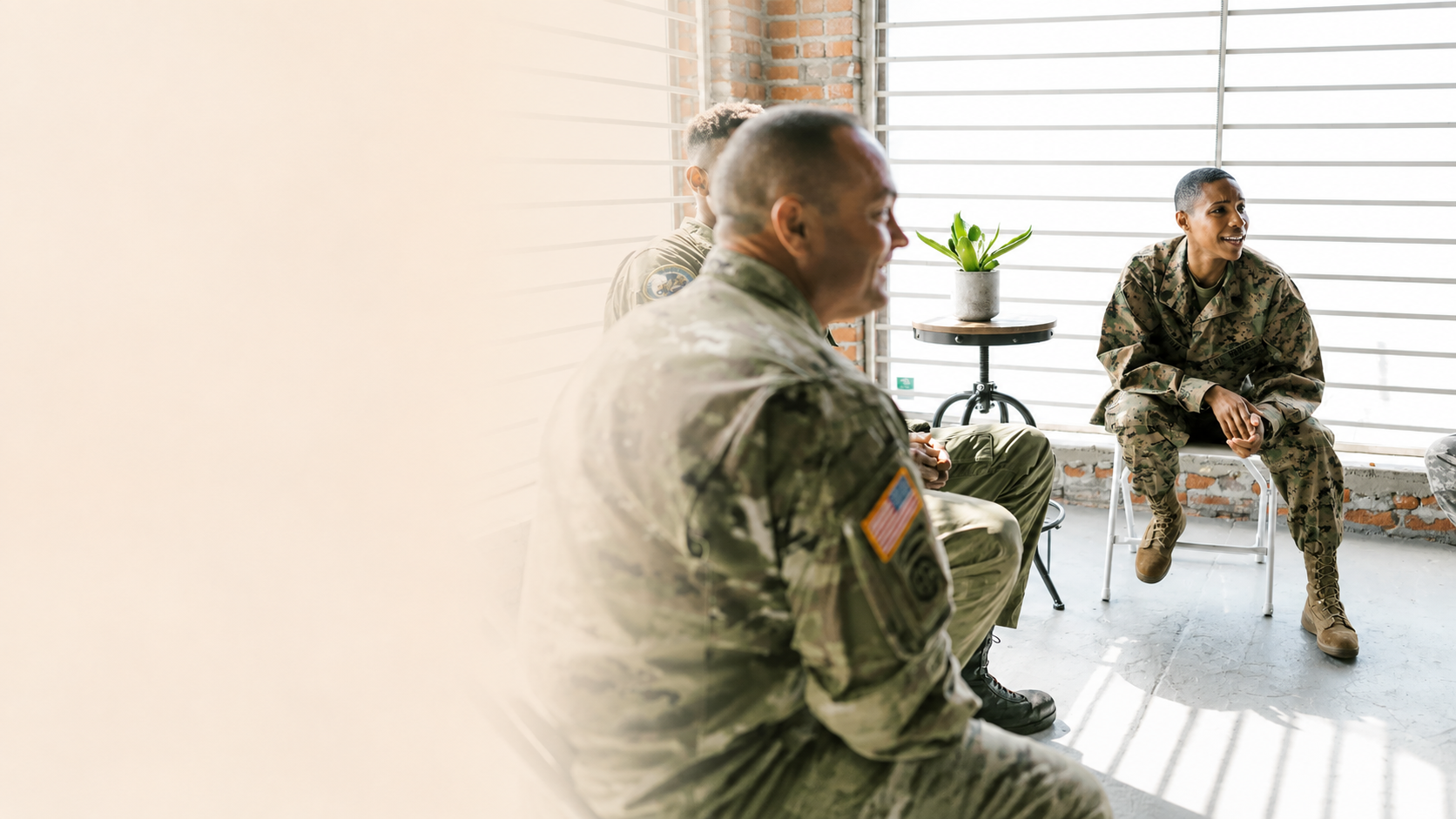
Supporting PTSD & Trauma Recovery
Calming a hyperaroused nervous system:
helping shift the body out of chronic fight-or-flight or freeze states
Reduced hypervigilance and startle response over time
More restful sleep, addressing the insomnia and nightmares common in PTSD
Emotional regulation: supporting more stability for those experiencing numbness, irritability, or emotional flooding
A non-verbal path forward: because MCN doesn't require talking through trauma to work, some find it a more approachable entry point than traditional talk therapy, or a helpful complement to it
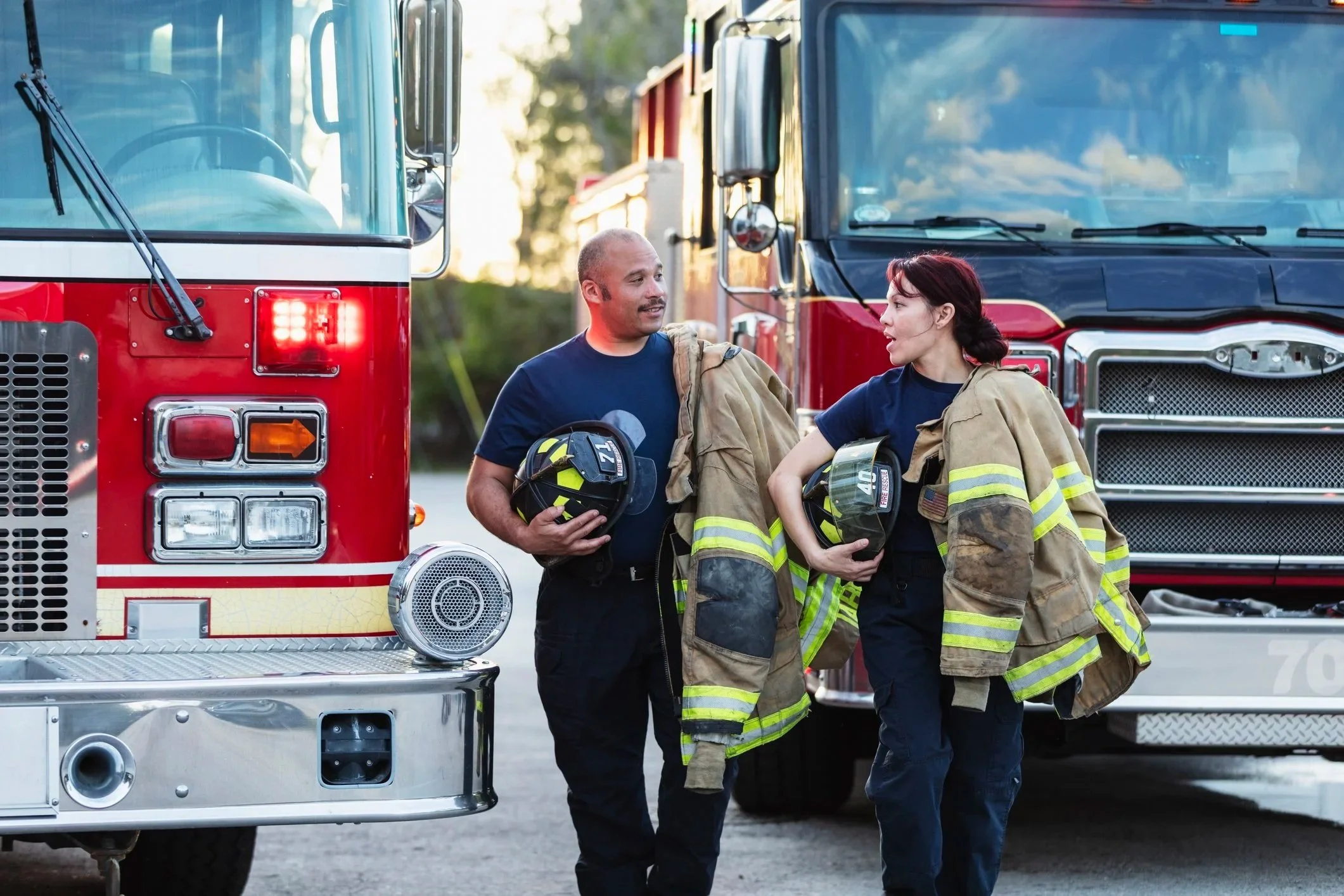
Supporting Traumatic Brain Injury (TBI) & Concussion Recovery
Blasts, breach events, physical altercations, and high-impact duties frequently lead to service-related concussions and mild TBIs (mTBIs). Because TBI and PTSD often share overlapping symptoms—like brain fog, irritability, and severe fatigue—distinguishing and treating them requires precise care.
Clearing Cognitive "Brain Fog": MCN helps unstick sluggish neural pathways following head trauma, supporting clearer thinking, faster decision-making, and reduced mental fatigue.
Targeting Sensory Discrimination: Brain Gauge measures subtle changes in cortical speed, reaction time variability, and sensory processing accuracy—providing a physical metric for how well the brain is recovering from physical trauma.
Promoting Neuroplastic Adaptations: The microcurrent signals encourage neuroplasticity, aiding the brain in re-establishing healthier communication pathways between damaged or stressed regions.
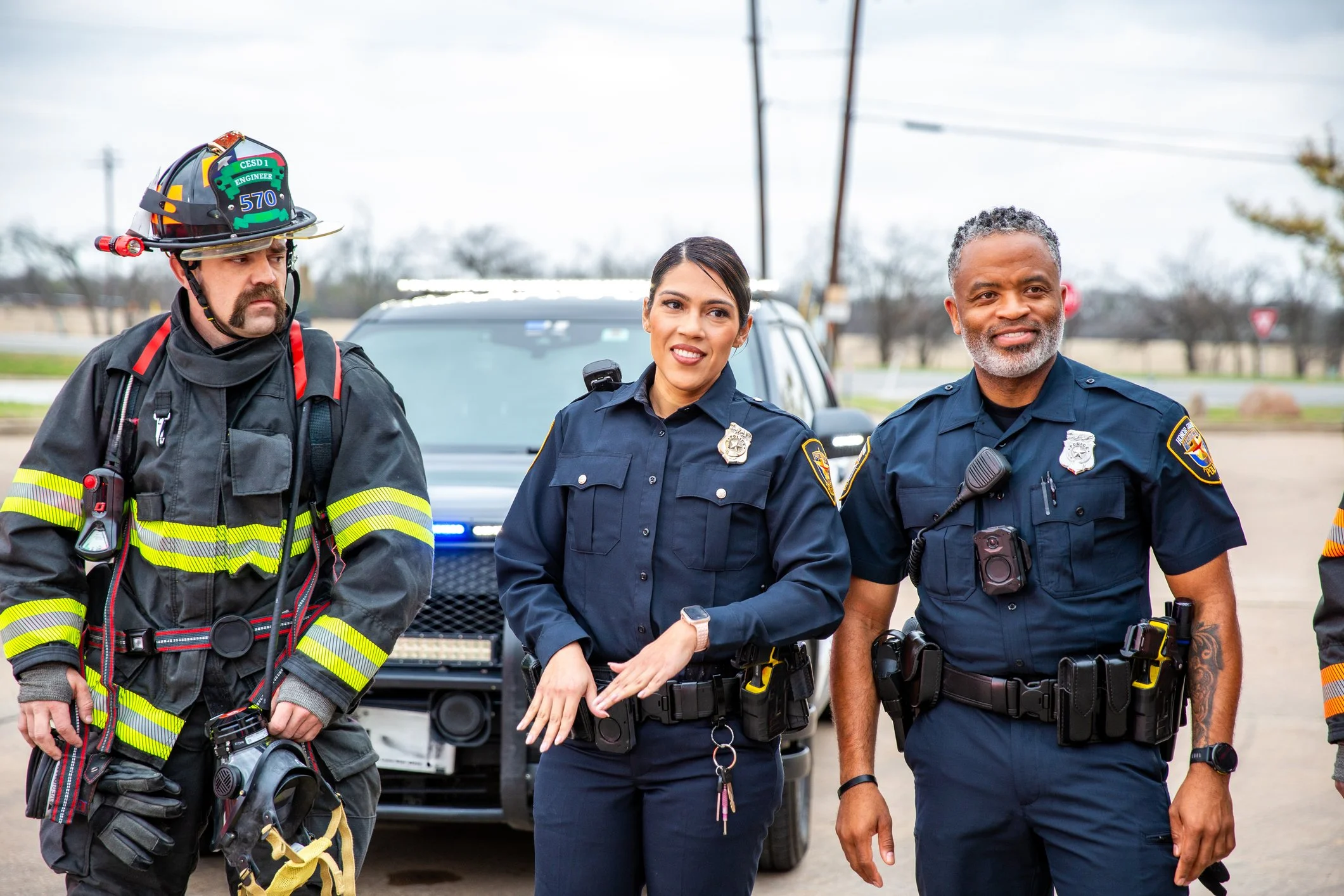
Building Operational Resilience & Preventing Shift Burnout:
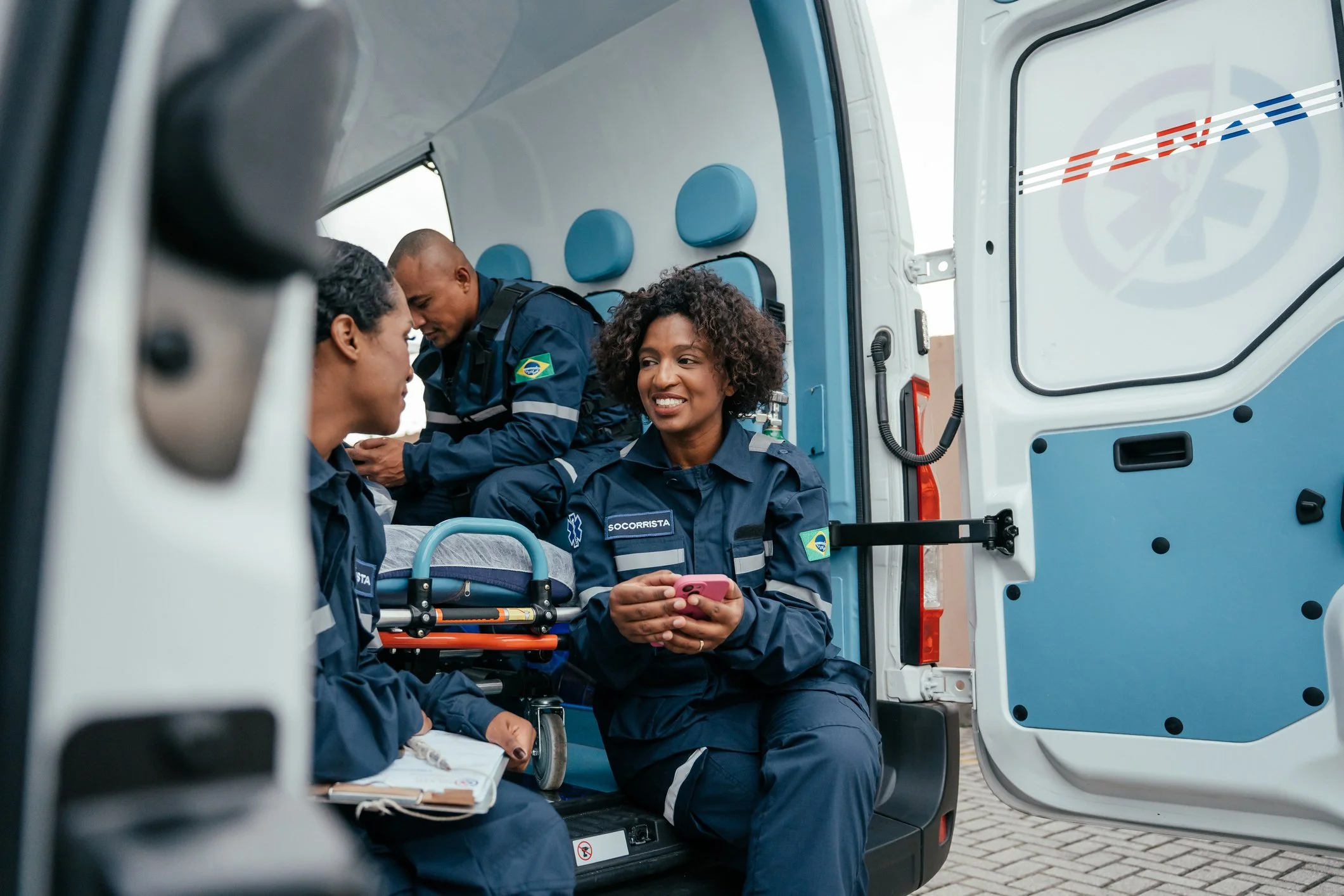
First responders and tactical personnel operate under demanding shift schedules, sleep deprivation, and high-stress operational environments. MCN and Brain Gauge support long-term career longevity and operational performance.
Enhanced Focus Under Pressure: MCN helps stabilize attentional control, making it easier to stay composed, attentive, and decisive during high-stakes situations.
Tracking Mental Endurance: Brain Gauge measures cortical fatigue and neural connectivity metrics, serving as a baseline check to monitor operational readiness and prevent severe job burnout before it impacts health or safety.
Improving Emotional Co-Regulation: Bringing the nervous system back into balance helps lower irritability and emotional reactivity off the clock—supporting healthier relationships with family and loved ones at home.
Whether you're an active first responder, a military veteran, or transitioning into civilian life, our goal is to help your brain naturally restore balance, improve self-regulation, and build the resilience needed to navigate both the demands of your profession and the challenges of everyday life. While no therapy can erase the experiences you've endured, supporting a healthier, more regulated nervous system may help reduce the impact of PTSD symptoms, improve daily functioning, and help you feel more present, focused, and connected to the people and moments that matter most.
If you or someone you know is a veteran or first responder in crisis, the Veterans Crisis Line is available 24/7 by calling or texting 988 and pressing 1, or texting 838255.